Buy Tretinoin Gel Online in the US: Your Complete Guide to Getting a Prescription Delivered to Your Door
You can buy tretinoin gel online in the US through licensed telehealth platforms that connect you with board-certified dermatology providers, all without stepping foot in a clinic. Prices start as low as $20 per month, and most services ship directly to your door with free delivery. Whether you’re treating acne or tackling fine lines, this guide walks you through every option worth considering.
If you’ve ever asked a dermatologist to name the single most effective skincare ingredient backed by real science, there’s a good chance the answer would be tretinoin. This prescription-strength retinoid has been a cornerstone of dermatology since the 1970s, and its track record for treating acne, reducing fine lines, fading dark spots, and improving overall skin texture is unmatched by anything you can grab off a drugstore shelf.
The challenge has always been access. Traditionally, getting tretinoin meant booking a dermatologist appointment weeks in advance, sitting through a consultation, and then picking up your prescription at a pharmacy. That process is expensive, time-consuming, and frankly unnecessary for many people. Today, a growing number of legitimate telehealth platforms let you buy tretinoin gel online in the US after a quick virtual evaluation with a licensed provider. Here’s everything you need to know to make the right choice.
What Is Tretinoin and Why Does It Require a Prescription?
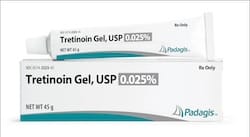
Tretinoin is a vitamin A derivative classified as a retinoid—the most potent form of retinol available. Unlike over-the-counter retinol products that must be converted into retinoic acid by your skin before they can work, tretinoin is already in its active form. That means it starts working immediately upon application, delivering faster and more dramatic results.
According to board-certified dermatologist Azadeh Shirazi, MD, tretinoin is the gold standard for improving skin texture and fine lines. It’s also the only retinoid officially approved by the FDA for treating visible signs of aging. Because of its potency, tretinoin requires a prescription from a licensed healthcare provider, which is why you can’t simply pick it up at your local pharmacy without one.
Tretinoin is sold under several well-known brand names, including Retin-A, Retin-A Micro, Renova, Atralin, and Avita. The generic versions are equally effective and significantly more affordable, which is what most online platforms prescribe.
Where to Buy Tretinoin Gel Online in the US
Several reputable telehealth services now make it easy to buy tretinoin gel online in the US at competitive prices. Each platform has a slightly different approach—some offer pure tretinoin, while others compound it with complementary ingredients like niacinamide or hyaluronic acid. Here’s a breakdown of the top options based on pricing, features, and what real users have reported.
1. RedBox Rx — Best Budget Option
RedBox Rx offers one of the lowest prices available for FDA-approved tretinoin, starting at just $20 per month when you purchase a three-month supply billed at $60. The online consultation costs $25, bringing your total for three months to $85. The platform has completed over one million consultations and ships prescriptions for free. What sets RedBox Rx apart is its transparency—there are no hidden fees, no membership costs, and no subscription traps.
2. Nurx — Best for Insurance Coverage
If you have insurance that covers dermatology prescriptions, Nurx is worth checking out. It’s one of the few online platforms that accepts select insurance plans for tretinoin. Without insurance, tretinoin costs about $30 per month ($90 for a three-month supply). Nurx prescribes pure tretinoin in 0.025%, 0.05%, and 0.1% concentrations with no added ingredients, making it a straightforward, no-frills option.
3. Hers — Best for Acne-Focused Formulas
Hers offers a customized prescription acne cream containing tretinoin alongside niacinamide, azelaic acid, and clindamycin for about $29 per month. This multi-ingredient approach targets breakouts, inflammation, and post-acne scarring simultaneously. Insurance isn’t accepted, but HSA and FSA funds are.
4. Curology — Best for Sensitive Skin
Curology’s HydroTretRx formula was specifically designed for people with sensitive or reactive skin. It combines tretinoin with dexpanthenol (provitamin B5), which attracts and holds moisture while soothing irritation. You get free access to a dermatology provider who can adjust your formula over time. The service costs about $40 per month and includes a free 30-day trial.
5. Ro — Best for Ongoing Provider Support
Ro stands out for its unlimited free check-ins with your assigned provider. After a free 10-minute online visit, you’ll receive a custom tretinoin-based treatment that may also include ceramides, hyaluronic acid, and tranexamic acid. New customers can save 25%, bringing the cost to about $43 for the first two months before settling at $58 every two months.
6. Agency by Curology — Best Overall Customization
Agency, Curology’s sister brand focused on anti-aging, creates fully customized formulas after you complete a skin quiz and upload photos. The Future Formula starts at $40 per month and may include tretinoin, azelaic acid, tranexamic acid, niacinamide, and dexpanthenol. Monthly check-ins allow for ongoing adjustments.
How Does Tretinoin Gel Work and How Should You Use It?
Tretinoin works by accelerating skin cell turnover and stimulating collagen production deep within the skin. It promotes the shedding of old, damaged surface cells while encouraging fresh, healthy cells to take their place. This process unclogs pores, reduces acne breakouts, softens fine lines, and fades hyperpigmentation over time.
To apply tretinoin gel correctly, follow these steps:
- Wash your face with a mild, non-medicated cleanser and pat dry completely. Wait 20 to 30 minutes to ensure your skin is thoroughly dry before application.
- Using clean fingertips, apply a pea-sized amount of tretinoin gel in a thin layer across the affected areas of your face.
- Avoid the eye area, corners of the nose, mouth, and any sunburned or broken skin.
- Apply at bedtime only, as tretinoin increases sun sensitivity.
- Follow up in the morning with a broad-spectrum SPF 30+ sunscreen—this step is non-negotiable.
- Use a gentle, fragrance-free moisturizer to combat any dryness or irritation.
Pro tip from board-certified dermatologist Arjun Dupati, MD: If you have sensitive skin, try the “Sandwich Method.” Apply a layer of gentle moisturizer (like Vanicream) first, then your tretinoin, and then another layer of moisturizer on top. This buffers the tretinoin and significantly reduces dryness and irritation without eliminating its effectiveness.
Tretinoin Gel Dosage Guide
Tretinoin gel comes in three standard prescription strengths, and the right one for you depends on your skin type, concerns, and tolerance level. Starting low and gradually increasing is the approach recommended by virtually every dermatologist.
| Strength | Level | Best For | Recommended Starting Frequency |
|---|---|---|---|
| 0.025% | Low | Beginners, sensitive skin, mild acne | Every other night |
| 0.05% | Medium | Moderate acne, early anti-aging, experienced users | Nightly (after building tolerance) |
| 0.1% | High | Stubborn acne, advanced anti-aging, veteran users | Nightly (after 6+ months at lower strengths) |
Dr. Dupati advises starting patients on 0.025% tretinoin cream nightly, then increasing the strength every six months until they’re consistently using 0.1%. Board-certified dermatologist Asmi Berry, DO, reinforces that stronger doesn’t always mean better—the tradeoff with higher concentrations is more redness and irritation.
Pros and Cons of Tretinoin Gel
Before you commit to a prescription, it helps to weigh the full picture. Tretinoin is remarkably effective, but it’s not without its drawbacks—especially during the initial adjustment period.
| Pros | Cons |
|---|---|
| FDA-approved for treating acne and signs of aging | Requires a prescription—not available over the counter |
| Backed by over 50 years of clinical research | Initial “purging” phase may temporarily worsen acne |
| Boosts collagen production for firmer, smoother skin | Common side effects include dryness, peeling, redness, and stinging |
| More potent and faster-acting than OTC retinol | Increases sun sensitivity—daily SPF is mandatory |
| Available in multiple strengths for gradual introduction | Not safe during pregnancy or breastfeeding |
| Affordable through online telehealth platforms ($20–$85/month) | Results take 4–12 weeks for acne and up to 6 months for anti-aging |
| Safe for long-term use with established safety profile | Results fade if you stop using it consistently |
Tretinoin Gel Pricing Comparison by Platform
Prices vary significantly depending on which telehealth platform you choose and whether you’re getting pure tretinoin or a compounded formula with additional active ingredients. Here’s a side-by-side comparison to help you find the best value.
| Platform | Monthly Cost | Consultation Fee | 3-Month Total | Insurance Accepted |
|---|---|---|---|---|
| RedBox Rx | $20 | $25 | $85 | No |
| Nurx | $30 | $30 | $120 | Yes |
| Hers | $29 | Included | $87 | No (HSA/FSA accepted) |
| Curology | $40 | Free | $120 | No |
| Ro | $29 (first order) / $29 after | Free | ~$101 | No |
| Agency by Curology | $40 | Included | $120 | No (HSA/FSA accepted) |
| Wisp | $25+ (subscription) | Included | $75+ | No (HSA/FSA accepted) |
| AgelessRx | $70–$85 | Free | $210–$255 | No |
Benefits of Buying Tretinoin Gel Online
Purchasing tretinoin through an online telehealth service offers several practical advantages over the traditional in-office route. For many people, it’s not just more convenient—it’s also more affordable and accessible.
- Skip the waiting room: Most online consultations take 10 minutes or less, and many platforms don’t even require a live video call. You fill out a questionnaire, upload photos, and a licensed provider reviews your case.
- Lower overall costs: An in-person dermatologist visit can cost $150 to $300+ without insurance. Online consultations range from free to $30, and tretinoin itself starts at $20 per month.
- No insurance? No problem: Most platforms don’t require insurance and offer flat-rate pricing. Several also accept HSA and FSA funds.
- Free home delivery: Every major platform ships prescriptions directly to your door, usually with free standard shipping.
- Ongoing provider access: Platforms like Ro and Curology offer unlimited check-ins, so your provider can adjust your formula or strength as your skin adapts.
- Privacy and discretion: Your prescription arrives in discreet packaging, and your medical information is handled through secure, HIPAA-compliant systems.
- Consistent refills: Subscription models ensure you never run out of tretinoin, which is critical since results fade if you stop using it consistently.
Tretinoin Gel Alternatives Worth Considering
Tretinoin isn’t the only prescription retinoid available, and it may not be the best fit for everyone. If tretinoin causes too much irritation or you’re looking for something slightly different, here are some alternatives your provider might recommend.
- Adapalene (Differin): A milder retinoid that’s actually available over the counter in 0.1% strength. It’s less irritating than tretinoin and a solid choice for acne-prone skin, though it’s less effective for anti-aging.
- Tazarotene (Tazorac): A prescription retinoid that’s even more potent than tretinoin. It’s highly effective for both acne and psoriasis but tends to cause more irritation, so it’s typically reserved for patients who’ve already built up retinoid tolerance.
- Retinol (OTC): Over-the-counter retinol products are widely available and require no prescription. They’re gentler and less likely to cause irritation, but they also take longer to produce results and are less effective overall. As Dr. Berry explains, even 1% retinol is much weaker than 0.05% tretinoin because retinol must be converted to retinoic acid in the skin before it can work.
- Retinaldehyde: A middle-ground option between retinol and tretinoin in terms of potency. It converts to retinoic acid more efficiently than retinol, offering better results with less irritation than tretinoin. It’s available without a prescription but can be harder to find.
- Azelaic acid: Not a retinoid, but often prescribed alongside tretinoin or as an alternative for people who can’t tolerate retinoids. It’s effective for acne, rosacea, and hyperpigmentation with minimal side effects.
What to Expect During Your First Few Weeks on Tretinoin
The adjustment period is real, and it’s the number one reason people abandon tretinoin before it has a chance to work. During the first two to three weeks, your skin may actually look worse before it looks better. This is commonly called the “purging phase,” and it happens because tretinoin accelerates cell turnover, bringing existing clogged pores and blemishes to the surface faster than they would naturally appear.
Common early side effects include dryness, peeling, redness, and a mild burning or stinging sensation. Board-certified dermatologist Marisa Garshick, MD, notes that while these reactions are normal, you should consult your provider if they become severe. In some cases, temporarily pausing and then resuming at a lower frequency is the best approach.
The bottom line: stick with it. Most dermatologists agree that noticeable improvements in acne appear within 4 to 12 weeks, while anti-aging benefits like reduced fine lines and improved skin texture can take three to six months of consistent use. According to a study cited by the National Library of Medicine, 79% of participants saw significant improvement in fine wrinkling, hyperpigmentation, roughness, and skin laxity after 24 weeks of tretinoin use.
Who Should Avoid Tretinoin?
Tretinoin is safe for the vast majority of adults, but there are important exceptions. Individuals who are pregnant, planning to become pregnant, or breastfeeding should not use tretinoin, as it has been associated with birth defects and miscarriage. People with severe eczema, active sunburns, or broken skin should wait until those conditions resolve before starting treatment.
Additionally, tretinoin can interact with certain medications that increase sun sensitivity, including tetracycline antibiotics, thiazide diuretics, and fluoroquinolones. Always disclose your full medication list to your provider during your online consultation.
The Bottom Line
Tretinoin remains the most clinically proven topical treatment for both acne and visible signs of aging, and the ability to buy tretinoin gel online in the US has made it more accessible than ever. Whether you choose a budget-friendly option like RedBox Rx at $20 per month or a fully customized formula from Curology or Agency, the key is finding a platform and strength that matches your skin’s needs and your budget.
Start low, be patient through the adjustment phase, always wear sunscreen, and keep in touch with your provider. With consistent use, tretinoin delivers the kind of results that no over-the-counter product can match—and now you don’t even need to leave your house to get it.
- Viagra
- Cialis
- Stromectol
- Cenforce
- Amoxil
- Levitra
- Vidalista
- Kamagra
- Zithromax
- Fildena
- Neurontin
- Lasix
- Ventolin
- Cialis Black
- Kamagra Oral Jelly
- Clomid
- Prelone
- Antabuse
- Priligy
- Viagra Soft
- Cialis Professional
- Viagra Super Active
- Synthroid
- Motilium
- Hydroxychloroquine
- Vibramycin
- Metformin
- Tadalista
- Cytotec
- Cialis Daily
- Cipro
- Female Viagra
- Cialis Soft
- Viagra Professional
- Strattera
- Inderal
- Tretiva
- Augmentin
- Cialis Super Active
- Wellbutrin Sr
- Isofair
- Diflucan
- Sildalis
- Flagyl
- Vilitra
- Propecia
- Cialis Super Force
- Estrace
- Isotroin
- Xenical
- Lumigan
- Careprost
- Baclofen
- Viagra Generic
- Cialis Generic
- Levitra Generic
- Super Kamagra
- Cobra 120mg
- Doxycycline
- Aciclovir
- Aciclovir Cream
- Vermox
- Tretinoin Cream
- Tretinoin CGel
- Prozac
- Nolvadex