Buy Zithromax Online in the US: A Complete Guide to Azithromycin, Dosage, Pricing, and Safe Use
Zithromax is one of the most widely prescribed antibiotics in the United States, trusted by doctors for decades to treat bacterial infections ranging from bronchitis to chlamydia. If you’re looking to buy Zithromax online in the US, you need reliable information about how the drug works, what it costs, and how to use it safely. This guide breaks all of that down for you — no fluff, just what actually matters.
The active ingredient in Zithromax is azithromycin, a macrolide-type antibiotic that stops bacteria from producing the proteins they need to grow and multiply. It was approved by the FDA and has remained a go-to treatment because of its convenient dosing schedule and broad effectiveness. Whether your doctor has prescribed a standard Z-Pak or a longer course, understanding this medication puts you in a stronger position as a patient.
What Is Zithromax and Why Is It So Commonly Prescribed?
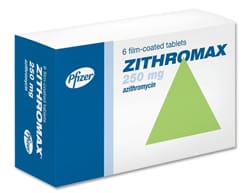
Zithromax (azithromycin) is an FDA-approved macrolide antibiotic used to treat mild to moderate bacterial infections. It targets respiratory infections, skin infections, ear infections, sexually transmitted diseases like chlamydia and gonorrhea, and certain lung infections common in HIV patients. Its long half-life allows for shorter treatment courses compared to many other antibiotics.
What makes Zithromax stand out from other antibiotics is its pharmacokinetic profile. After you take your last dose, azithromycin remains active in your body for approximately 7 to 10 days. This extended presence means you can take a shorter course — often just three to five days — and still get full therapeutic benefit. As noted by MyRx Outlet’s comprehensive Zithromax guide, the medication works against bacterial growth but cannot treat viral infections like the common cold or flu.
Here are the five core entities you should understand when researching this medication:
- Zithromax — The brand name manufactured originally by Pfizer for the antibiotic azithromycin.
- Azithromycin — The active pharmaceutical ingredient, a macrolide antibiotic that inhibits bacterial protein synthesis.
- Z-Pak — A pre-packaged blister pack containing a standard five-day course of Zithromax (typically six tablets).
- Macrolide antibiotics — A class of antibiotics that includes azithromycin, erythromycin, and clarithromycin, all of which work by blocking bacterial ribosomal activity.
- QT prolongation — A heart rhythm condition that the FDA flagged in 2013 as a potential serious side effect of azithromycin use.
How Does Zithromax Work and How Should You Take It?
Zithromax works by binding to the 50S ribosomal subunit of bacterial ribosomes, which blocks protein synthesis and prevents bacteria from growing and replicating. Depending on the concentration and the type of bacteria, it can act as either bacteriostatic (stopping growth) or bactericidal (killing bacteria outright). Most patients notice symptom relief within one to two days.
Here is what you need to know about taking Zithromax properly:
- Take it once daily, at the same time each day, to maintain consistent drug levels in your system.
- You can take it with or without food. If it upsets your stomach on an empty stomach, take it with a meal next time.
- Avoid dairy products close to the time you take the tablet, as they may interfere with absorption.
- Swallow the tablets whole — do not crush or chew them.
- Do not take antacids within two hours of your dose. Antacids containing aluminum or magnesium can reduce absorption significantly. The one exception, as MyRx Outlet notes, is the extended-release liquid suspension, which can be taken with antacids.
- Complete the entire course, even if you start feeling better after a day or two. Stopping early is one of the primary drivers of antibiotic resistance.
A pro tip that many patients overlook: if you miss a dose, take it as soon as you remember. But if it’s almost time for your next scheduled dose, skip the missed one entirely. Never double up to compensate — this increases your risk of side effects without improving efficacy.
Zithromax Dosage: What Your Doctor Will Likely Prescribe
The standard adult dosage for most bacterial infections is 500 mg on day one, followed by 250 mg once daily for the next four days, totaling a five-day course. For certain conditions like acute bacterial sinusitis or skin infections, a shorter three-day regimen of 500 mg daily may be prescribed instead. Your doctor will adjust the dosage based on the specific infection and your body weight.
Zithromax is available in multiple forms to suit different clinical needs:
- Tablets: 250 mg, 500 mg, and 600 mg strengths
- Liquid suspensions: 100 mg, 200 mg, and 1,000 mg (often delivered as a powder to be mixed with water)
- Injectable solution: 500 mg (used in hospital settings for severe infections)
The table below summarizes common dosing protocols:
| Condition | Day 1 Dosage | Days 2–5 Dosage | Total Course |
|---|---|---|---|
| Community-acquired pneumonia | 500 mg | 250 mg once daily | 5 days |
| Acute bacterial sinusitis | 500 mg | 500 mg once daily | 3 days |
| Uncomplicated skin infections | 500 mg | 500 mg once daily | 3 days |
| Chlamydia (single-dose treatment) | 1,000 mg | N/A | 1 day |
| Acute bronchitis exacerbation | 500 mg | 250 mg once daily | 5 days |
When administered intravenously for severe infections, the typical protocol is 500 mg per day for two days, followed by oral doses of 500 mg daily for five to eight additional days. Your doctor will determine the best approach based on the severity of your condition.
Pros and Cons of Zithromax
Zithromax offers a compelling balance of convenience and effectiveness, but like every medication, it comes with trade-offs. The short treatment course and once-daily dosing make it one of the most patient-friendly antibiotics available. That said, serious risks — particularly cardiac ones — mean it is not appropriate for everyone.
| Pros | Cons |
|---|---|
| Broad-spectrum activity against gram-positive and gram-negative bacteria | Cannot treat viral infections (cold, flu) |
| Short treatment duration (3–5 days for most infections) | Risk of QT prolongation — FDA issued a warning in 2013 |
| Once-daily dosing improves patient adherence | Common gastrointestinal side effects (nausea, diarrhea, stomach pain) |
| Long half-life (~68 hours) means the drug keeps working days after your last dose | Potential for antibiotic resistance if misused or course is not completed |
| Can be taken with or without food | Contraindicated in patients with liver disease or macrolide allergies |
| Available in tablets, liquid suspension, and injectable forms | May interact with blood thinners, antacids, digoxin, and ergot alkaloids |
| Generally considered safe during pregnancy when medically necessary | Not approved for children under 6 months old |
What this means for you: if you have a healthy heart, no liver issues, and no known macrolide allergies, Zithromax is likely a safe and effective option. But always disclose your full medical history to your prescribing physician before starting treatment.
Zithromax Pricing: What You Can Expect to Pay
The cost of Zithromax varies widely depending on the dosage strength, quantity purchased, and whether you choose brand-name or generic azithromycin. A standard Z-Pak of six tablets typically retails around $50 in the US. Generic azithromycin can cost as little as $15 with a coupon. When you buy Zithromax online in the US through licensed pharmacies, bulk orders often come with significant per-pill savings.
Here is a pricing breakdown based on current online pharmacy data:
Zithromax 500 mg Pricing
| Quantity | Per Pill Price | Total Package Price | Savings |
|---|---|---|---|
| 30 tablets | $2.29 | $68.76 | — |
| 60 tablets | $1.83 | $110.04 | $27.48 |
| 90 tablets | $1.48 | $133.01 | $73.27 |
| 120 tablets | $1.38 | $165.12 | $109.92 |
| 180 tablets | $1.27 | $229.34 | $183.22 |
| 360 tablets | $1.19 | $429.33 | $395.79 |
Zithromax 250 mg Pricing
| Quantity | Per Pill Price | Total Package Price | Savings |
|---|---|---|---|
| 30 tablets | $1.68 | $50.41 | — |
| 60 tablets | $1.22 | $73.38 | $27.44 |
| 90 tablets | $1.12 | $100.90 | $50.33 |
| 120 tablets | $1.03 | $123.84 | $77.80 |
| 180 tablets | $0.92 | $165.12 | $137.34 |
| 360 tablets | $0.92 | $330.25 | $274.67 |
The pattern is clear: buying in larger quantities drops the per-pill cost dramatically. For the 250 mg strength, you can go from $1.68 per pill at 30 tablets down to $0.92 per pill at 180 or 360 tablets. If you have a recurring prescription or your doctor prescribes a longer course, ordering a larger package is the financially smarter move.
Benefits of Buying Zithromax Online
Purchasing Zithromax from a licensed online pharmacy offers real advantages in terms of cost savings, convenience, and privacy. For patients who need recurring prescriptions or who live in areas with limited pharmacy access, online ordering eliminates unnecessary trips and often provides better pricing than brick-and-mortar stores.
Here is why many patients now prefer to buy Zithromax online in the US:
- Lower prices: Online pharmacies frequently offer per-pill pricing well below standard retail. Generic azithromycin can cost under $1 per pill when purchased in bulk online.
- Discreet packaging: Orders are shipped in plain packaging with no external markings indicating the contents — particularly important for patients treating sexually transmitted infections.
- Home delivery: Medications are delivered directly to your door, typically within 5 to 9 business days depending on your location.
- Bulk order savings: As shown in the pricing tables above, larger orders can save you hundreds of dollars compared to buying small quantities repeatedly.
- Free shipping options: Many online pharmacies offer free AirMail shipping on orders above a certain quantity threshold, usually starting at 120 or 180 tablets.
- Access to generic options: Online platforms often carry both brand-name Zithromax and generic azithromycin, giving you the flexibility to choose based on your budget.
One important caveat: always verify that the online pharmacy you are purchasing from requires a valid prescription. As CuraHealth Pharmacy emphasizes, Zithromax is a prescription medication, and responsible pharmacies will not dispense it without proper medical authorization. This is not just a legal requirement — it is a safety one.
Side Effects and Safety Warnings You Should Not Ignore
Most Zithromax side effects are mild and temporary, but a small number of patients may experience serious adverse reactions that require immediate medical attention. Gastrointestinal symptoms are the most frequently reported, affecting a notable percentage of users. Cardiac risks, while rare, are the most dangerous.
Common side effects include:
- Nausea and vomiting
- Diarrhea
- Abdominal pain
- Headache
- Fatigue
- Decreased sense of taste or smell
Serious side effects that require emergency care:
- Irregular or rapid heartbeat (sign of QT prolongation)
- Severe allergic reaction — swelling of face, mouth, or throat
- Dark urine or yellowing of skin and eyes (potential liver damage)
- Bloody or watery diarrhea
- Fainting or sudden dizziness
- Difficulty breathing
The FDA’s 2013 warning about QT prolongation is particularly worth noting. People with pre-existing heart conditions, low potassium or magnesium levels, or a family history of heart rhythm disorders should discuss these risks thoroughly with their doctor before starting Zithromax. As CuraHealth’s prescribing information notes, older adults face an elevated risk of life-threatening cardiac side effects.
Drug Interactions: What to Watch Out For
Zithromax interacts with several common medications, and failing to account for these interactions can reduce the drug’s effectiveness or increase your risk of side effects. Always provide your doctor with a complete list of everything you take — including over-the-counter supplements and herbal products.
Key interactions to be aware of:
- Blood thinners (warfarin, Eliquis, Coumadin) — increased bleeding risk
- Antacids containing aluminum or magnesium — reduced Zithromax absorption
- Digoxin — elevated digoxin levels in the blood
- Ergot alkaloids — risk of ergot toxicity
- Nelfinavir and other HIV medications — altered drug levels
- Cyclosporine and tacrolimus — increased immunosuppressant levels
- Pimozide — risk of dangerous cardiac arrhythmias
- Theophylline — elevated theophylline concentrations
The bottom line: do not assume that because Zithromax is a common antibiotic, it plays nicely with everything else in your medicine cabinet. A two-minute conversation with your pharmacist could prevent a serious interaction.
Zithromax Alternatives
If Zithromax is not suitable for you — whether due to allergies, drug interactions, or antibiotic resistance — several effective alternatives exist within and outside the macrolide class. Your doctor will select an alternative based on the type of infection, your medical history, and local resistance patterns.
| Alternative Antibiotic | Drug Class | Common Uses | Approximate Starting Price Per Pill |
|---|---|---|---|
| Amoxicillin | Penicillin | Ear infections, sinusitis, pneumonia, urinary tract infections | $0.42 |
| Doxycycline | Tetracycline | Respiratory infections, acne, chlamydia, Lyme disease | $0.50 |
| Cephalexin (Keflex) | Cephalosporin | Skin infections, urinary tract infections, bone infections | $0.44 |
| Ciprofloxacin (Cipro) | Fluoroquinolone | Urinary tract infections, respiratory infections, gastrointestinal infections | $0.36 |
| Metronidazole (Flagyl) | Nitroimidazole | Bacterial vaginosis, C. diff infections, dental infections | $0.39 |
| Erythromycin | Macrolide | Respiratory infections, skin infections, pertussis | Varies |
| Levofloxacin | Fluoroquinolone | Pneumonia, sinusitis, urinary tract infections (sometimes combined with Zithromax) | Varies |
An interesting clinical point: some doctors combine Zithromax with Levofloxacin for stubborn infections. The rationale is that two antibiotics attacking bacteria through different mechanisms can be more effective than either one alone. This dual-antibiotic approach should only be pursued under direct medical supervision.
Storage and Handling
Proper storage keeps Zithromax effective through its entire shelf life. Store the tablets at room temperature — between 68°F and 77°F (20°C to 25°C) — in their original container with the lid tightly closed. Keep the medication away from moisture, direct sunlight, and heat sources. Do not freeze or refrigerate the tablets. If you have liquid suspension, follow the specific storage instructions on the label, as reconstituted solutions may have different requirements. Discard any unused medication after the expiration date.
Frequently Asked Questions
Can Zithromax treat the flu or a cold?
No. Zithromax only works against bacterial infections. The flu and common cold are caused by viruses, and no antibiotic — including azithromycin — can treat them.
How long does Zithromax stay in your system?
Azithromycin remains in the body for approximately 7 to 14 days after the last dose. In some individuals, it can be detectable for up to five weeks due to its long elimination half-life of roughly 68 hours.
Is it safe to drink alcohol while taking Zithromax?
Moderate alcohol consumption is not strictly prohibited, but it is wise to consult your healthcare provider. Alcohol can worsen gastrointestinal side effects like nausea and may place additional strain on your liver.
Can I stop taking Zithromax once I feel better?
Absolutely not. Stopping an antibiotic course early is one of the leading causes of antibiotic-resistant infections. Complete the full prescribed course every time.
Is a prescription required to buy Zithromax online in the US?
Yes. Zithromax is an FDA-approved prescription medication. Any legitimate pharmacy — online or otherwise — will require a valid prescription before dispensing it.
The bottom line is straightforward: Zithromax remains one of the most effective and convenient antibiotics available for treating a wide range of bacterial infections. If you are considering purchasing it online, stick with licensed pharmacies, ensure you have a valid prescription, and always follow your doctor’s dosing instructions to the letter. Your health is worth getting this right.
- Viagra
- Cialis
- Stromectol
- Cenforce
- Amoxil
- Levitra
- Vidalista
- Kamagra
- Zithromax
- Fildena
- Neurontin
- Lasix
- Ventolin
- Cialis Black
- Kamagra Oral Jelly
- Clomid
- Prelone
- Antabuse
- Priligy
- Viagra Soft
- Cialis Professional
- Viagra Super Active
- Synthroid
- Motilium
- Hydroxychloroquine
- Vibramycin
- Metformin
- Tadalista
- Cytotec
- Cialis Daily
- Cipro
- Female Viagra
- Cialis Soft
- Viagra Professional
- Strattera
- Inderal
- Tretiva
- Augmentin
- Cialis Super Active
- Wellbutrin Sr
- Isofair
- Diflucan
- Sildalis
- Flagyl
- Vilitra
- Propecia
- Cialis Super Force
- Estrace
- Isotroin
- Xenical
- Lumigan
- Careprost
- Baclofen
- Viagra Generic
- Cialis Generic
- Levitra Generic
- Super Kamagra
- Cobra 120mg
- Doxycycline
- Aciclovir
- Aciclovir Cream
- Vermox
- Tretinoin Cream
- Tretinoin CGel
- Prozac
- Nolvadex